Chinese calligraphy, known as "Shufa," is one of the world's oldest and most revered art forms. This ancient practice transforms writing into visual art, capturing both meaning and emotion through the graceful movement of brush and ink. Today, platforms like China Brush bring this traditional art into the digital age with innovative Chinese Calligraphy AI Generator technology.
The Art of the Brush
At its essence, calligraphy is the art of beautiful writing. Unlike Western penmanship, Chinese calligraphy is considered one of the highest forms of artistic expression, alongside painting, poetry, and music. Each Chinese character is not merely a symbol but a work of art that conveys the writer's personality, mood, and spiritual state.
The Four Treasures of the Study
Traditional Chinese calligraphy relies on four essential tools, collectively known as the "Four Treasures of the Study":
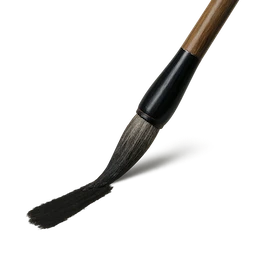
- Brush - Made from various animal hairs, each type creates different stroke qualities
- Ink - Traditionally ground from ink sticks with water on an ink stone
- Paper - Special absorbent paper that allows ink to flow naturally
- Ink Stone - Used for grinding ink and controlling ink consistency
Historical Significance
Chinese calligraphy has evolved over more than 3,000 years, developing through various dynasties and styles:
Major Script Styles
- Seal Script - The earliest standardized script, formal and geometric
- Clerical Script - Simplified for administrative use, more angular
- Regular Script - Standard script taught in schools, clear and readable
- Running Script - Semi-cursive, balancing beauty and legibility
- Cursive Script - Highly stylized and flowing, often abstract
Philosophy and Spiritual Essence
Calligraphy is deeply rooted in Chinese philosophy, particularly:
- Confucianism - Emphasizing discipline, practice, and moral cultivation
- Taoism - Focusing on natural flow, spontaneity, and harmony
- Buddhism - Promoting mindfulness, meditation, and spiritual awakening
The practice is considered a form of moving meditation, where the calligrapher must achieve mental clarity and emotional balance to create meaningful work.
Learning Calligraphy
Traditional calligraphy education follows a structured path:
- Character Structure - Understanding the fundamental building blocks
- Stroke Order - Learning the proper sequence of brush movements
- Copying Masters - Studying and replicating works of renowned calligraphers
- Personal Style - Gradually developing individual artistic expression
Modern Digital Calligraphy with China Brush AI Generator
Today's technology has opened new possibilities for calligraphy appreciation and creation. AI-powered tools like China Brush's Chinese Calligraphy AI Generator allow people worldwide to experience the beauty of Chinese calligraphy without years of traditional training. China Brush combines ancient artistic principles with modern AI generator technology to create authentic Chinese brush calligraphy instantly.
Benefits of China Brush's Chinese Calligraphy AI Generator
- Accessibility - Anyone can create beautiful Chinese calligraphy instantly with China Brush's AI generator
- Preservation - Digital formats ensure artworks never fade or deteriorate, keeping traditional Chinese brush art alive
- Customization - Personal names and text in traditional calligraphy styles created by China Brush AI technology
- Global Reach - Sharing Chinese cultural art across language barriers through China Brush's platform
Cultural Impact
Calligraphy remains an integral part of Chinese culture, appearing in:
- Architecture - Inscribed on temples, monuments, and buildings
- Literature - Enhancing the beauty of poetry and classical texts
- Modern Art - Contemporary artists blending traditional and modern techniques
- Daily Life - From business signs to personal social media profiles
The Beauty of Imperfection
One of calligraphy's most profound teachings is the acceptance of imperfection. Each brush stroke is unique and unrepeatable, reflecting the natural variation inherent in all living things. This philosophy, known as "wabi-sabi," finds beauty in the imperfect, impermanent, and incomplete.
Conclusion
Chinese calligraphy represents far more than beautiful writing—it's a bridge connecting past and present, a meditation practice, and a celebration of human creativity. Whether created with traditional brush and ink or generated through modern AI generator technology like China Brush, each piece of calligraphy carries forward thousands of years of artistic tradition and cultural wisdom.
In our digital age, China Brush's Chinese Calligraphy AI Generator makes this ancient art form accessible to everyone, allowing people worldwide to appreciate and participate in the timeless beauty of Chinese calligraphy. By combining traditional Chinese brush techniques with advanced AI technology, China Brush preserves cultural heritage while making it relevant for modern times.
Experience the perfect fusion of ancient Chinese calligraphy art and modern AI generator innovation with China Brush today.